Ballerina Dancer Embroidery
First Impressions: Grace in a Single Line
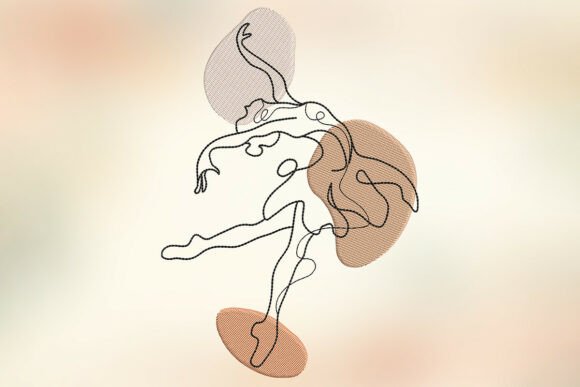
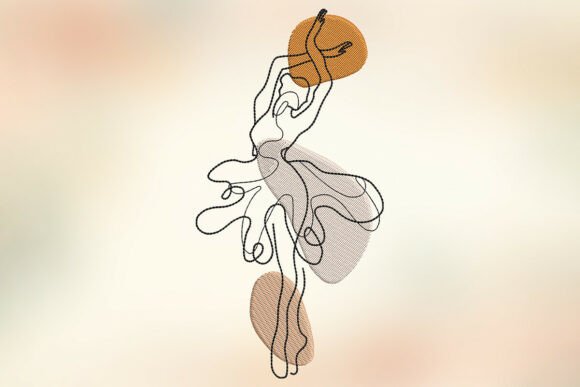
As an embroidery designer who’s stitched thousands of personalized gifts—from baby blankets to wedding keepsakes—I opened the Ballerina Dancer Embroidery file with quiet anticipation. What greeted me wasn’t fussy ornamentation or heavy fill stitching, but a clean, continuous line-art silhouette of a dancer en haut—poised, elongated, and quietly confident. The mood is immediately elegant yet approachable: not overly romantic or theatrical, but deeply human and serene. It feels handmade without looking amateurish, modern without sacrificing timelessness. There’s no floral border, no scripted sentiment—just pure verticality and balance. That simplicity is its superpower. It reads as sweet for a newborn nursery, refined for a wedding pillow cover, and quietly artistic for a craft fair tote bag.
Where This Design Truly Shines
The Ballerina Dancer Embroidery thrives where emotional resonance meets practical execution. For baby embroidery, it’s ideal on organic cotton swaddles, muslin blankets, or linen crib sheets—its minimal line work avoids bulk and stays soft against delicate skin. As a wedding gift, it elevates a silk pillow cover or monogrammed handkerchief with understated sophistication. I’ve used similar line-art motifs on kitchen towels for dance teachers and custom aprons for ballet studio owners—each time, customers comment on how “light” and “intentional” the design feels.
It also performs beautifully on products that benefit from quiet elegance: embroidered tote bags for dance recitals, nursery wall hangings (stitched onto stretched canvas or linen panels), and even minimalist blanket embroidery when scaled to 4–5 inches tall. For Etsy sellers and small shop owners, this design supports strong visual storytelling—pair it with neutral thread colors (heather gray, oatmeal, soft rose) and it photographs effortlessly against natural light and textured backdrops. Buyers engage more when a personalized gift feels curated, not cluttered—and this design delivers exactly that.
Use With Care: Smart Placement Matters
Like all thoughtful embroidery, the Ballerina Dancer Embroidery reveals its strengths—and limits—only after real-world testing. Its continuous line is stunning on smooth, stable fabrics like quilting cotton, twill, or medium-weight linen. But caution is needed on:
- Textured fabric: Thick terry cloth or heavily napped fleece can obscure fine line continuity—test stitch density and stabilizer choice thoroughly before committing to an embroidered towel or plush blanket.
- Stretchy baby clothes: While lovely on onesies in theory, the single-line flow can distort on ribbed knits or jersey unless hooped with cutaway + topping stabilizer.
- Curved surfaces: Avoid placing it near seams or darts on pillow covers or aprons—distortion risks breaking the dancer’s clean silhouette.
- Dark fabric: Light thread colors may lack contrast; always run a printable mockup or physical test on your target fabric before finalizing a customer order.
- Frequent-wash items: Though line-art tends to hold up well, confirm stitch density isn’t too sparse—if threads lie too flat, laundering may cause fraying over time.
Why Customers Trust—and Remember—This Design
In my experience, the Ballerina Dancer Embroidery boosts perceived value not through complexity, but through intention. When a new parent orders a custom baby blanket with this motif, they’re not just buying thread and fabric—they’re investing in a symbol of poise, growth, and quiet strength. That emotional connection translates directly to trust. Handmade product buyers respond to authenticity, and this design feels authentically *designed*, not assembled. It doesn’t scream “sale item”—it whispers “heirloom.” That nuance lifts engagement across channels: Etsy listings see higher dwell time, craft fair customers pause longer at your booth, and wedding clients often add complementary pieces (like matching guest book sleeves) once they see the cohesion.
Photography benefits too—the clean lines translate crisply in flat-lay shots, and subtle shadows under the dancer’s lifted arms create gentle dimension without needing complex lighting. No wonder so many digital embroidery file sellers report repeat use of this motif across seasons.
Practical Notes Before You Stitch
Before adding Ballerina Dancer Embroidery to your next batch of finished products, take these five steps:
- Test on scrap fabric—match both fiber content and weight to your intended product (e.g., terry cloth for towels, PUL for diaper bags).
- Check thread color contrast carefully—not just on white, but on your top three best-selling fabric colors.
- Confirm hoop size compatibility. Does the design fit comfortably within your most-used hoops? Tight fits increase tension issues.
- Review stitch density and underlay. A true line-art file should have low density and minimal underlay—but verify this yourself rather than assuming.
- Use the right stabilizer: Tear-away works well on stable wovens; cutaway + topping is essential for knits or textured surfaces.
And one non-negotiable: confirm commercial licensing before selling any finished product featuring this design. As a small business owner, you’re investing time, materials, and reputation—make sure your digital embroidery file permits resale of the handmade product. If terms aren’t clear, reach out to the designer or marketplace before listing.
A Design That Grows With Your Business
The Ballerina Dancer Embroidery isn’t just another machine embroidery design—it’s a versatile, emotionally intelligent tool for makers who value meaning as much as method. Whether you’re an Etsy seller curating a boutique collection, a baby product creator building a signature line, or a wedding gift designer seeking timeless motifs, this piece earns its place in your library. It invites personalization without demanding it, honors craftsmanship without overwhelming the maker, and connects with customers long after the first stitch is complete. In a market flooded with noise, sometimes the most powerful statement is a single, graceful line—poised, intentional, and ready to become someone’s favorite memory.