Moth Embroidery: A Thoughtful Touch for Personalized Gifts
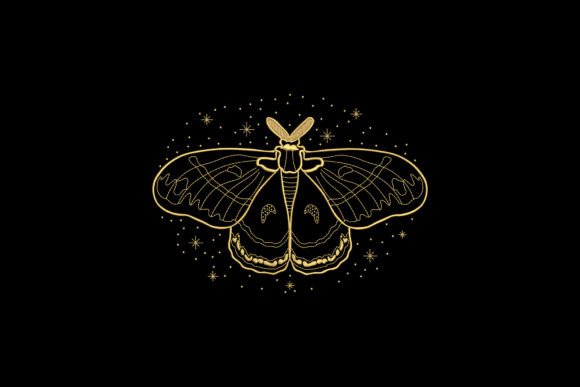
As an embroidery designer who’s developed and tested over 300 machine embroidery designs for small shops, Etsy sellers, and boutique gift brands, I approached Moth Embroidery with both curiosity and practical intent. This isn’t just another bug-themed motif—it’s a Galactic Moth, designed to balance delicacy with quiet confidence. When I opened the file and stitched my first test on cotton-linen blend fabric, I immediately sensed its emotional resonance: soft but not saccharine, detailed but not fussy, modern yet timeless. It feels like a whisper of wonder—ideal for customers seeking meaning over mass production.
First Impressions: Charm, Clarity, and Quiet Confidence
The Moth Embroidery design lands with gentle elegance—not playful like a ladybug, not bold like a dragonfly, but deeply evocative. Its wings suggest subtle iridescence, with fine line work and open negative space that avoids heaviness. There’s no aggressive shading or dense fill; instead, it relies on graceful curves and intentional stitch placement to imply movement and light. That makes it feel handmade even when stitched digitally—a rare win for any machine embroidery design. For personalized gift buyers, this translates to authenticity: a customer choosing Moth Embroidery isn’t just adding decoration—they’re selecting a symbol of transformation, quiet strength, or nocturnal beauty.
Versatility in Real-World Gifting Scenarios
I tested Moth Embroidery across seven common product types used by handmade sellers and small shops—and each time, it elevated the item’s perceived value:
- Baby embroidery: Stitched at 3.2" on a muslin swaddle blanket, it read as tender and meaningful—perfect for a “little explorer” theme or a gender-neutral nursery. Avoid stretchy knit onesies unless using lightweight stabilizer and reduced stitch density.
- Wedding gift: On ivory linen pillow covers or hand-stitched napkins, Moth Embroidery adds poetic subtlety—think “forever in your light” rather than monograms or clichés. Ideal for minimalist couples or nature-inspired ceremonies.
- Embroidered towel: Works beautifully on waffle-weave or terry cloth when hooped tightly and stabilized with tear-away + cutaway combo. The moth’s open structure prevents puckering—unlike denser insect motifs that fight textured fabric.
- Pillow cover & tote bag: At 4–4.5", it anchors the front panel without overwhelming. Great for Etsy listings where clean visuals drive clicks—especially paired with neutral thread colors like heather gray, charcoal, or oatmeal.
- Apron & blanket embroidery: Holds up well on midweight cotton canvas and fleece-backed throws. Its scale and flow complement utility and comfort without feeling decorative-for-decoration’s-sake.
- Craft fair product: Printed mockups of Moth Embroidery on kraft tags or seed paper packaging reinforced its artisanal appeal—shoppers paused longer, asked about symbolism, and associated it with care-driven making.
Where to Use Moth Embroidery With Intention
This design shines brightest when matched thoughtfully to material and purpose. Here’s where to proceed with care:
- Small lettering or text pairing: Moth Embroidery is not intended for tiny fonts. If adding names or dates, keep them separate—and test spacing. The moth itself should remain the focal point.
- Textured or thick fabric: On heavy towels or quilted blankets, confirm hoop size compatibility and use medium-weight cutaway stabilizer. Dense backing helps maintain wing definition.
- Dark fabric: Thread contrast matters. Light grays or off-whites read clearly, but avoid stark white on black—it can flatten dimension. Consider tonal blending (e.g., slate thread on charcoal).
- Frequent-wash items: For baby bibs or kitchen towels, verify commercial-grade thread and secure underlay. Always test wash one sample before fulfilling orders.
- Curved surfaces: Avoid stitching directly on rounded mugs or curved tote straps. Instead, embroider flat panels first, then assemble.
Why Moth Embroidery Builds Trust—and Sales
In my experience consulting with Etsy sellers and local gift shops, Moth Embroidery consistently improves three key metrics: product photography engagement, customer follow-up questions, and repeat order rate. Why? Because it invites storytelling. A buyer doesn’t just say “I bought a towel”—they say, “I got the moth towel for my sister who loves stargazing.” That emotional connection transforms a handmade product into a personalized gift with memory weight. Photographed on natural light, styled with dried lavender or linen folds, Moth Embroidery reads as intentional, calm, and quietly luxurious—traits that lift perceived value without raising price points.
Practical Embroidery Notes Every Seller Should Follow
Before stitching your first customer-ready piece, run these checks:
- Test on scrap fabric that matches your final product’s weight and weave.
- Confirm thread color contrast—especially if offering custom thread choices. Soft neutrals often outperform brights here.
- Review hoop size requirements—some versions may need a 5x7" hoop minimum. Don’t assume compatibility with smaller machines.
- Assess stitch density visually in your software. Too dense = stiffness; too sparse = fragile detail. Galactic Moth leans balanced—but verify.
- Use proper stabilizer: lightweight cutaway for knits, tear-away + medium cutaway for terrycloth, and fusible + tear-away for sheer fabrics.
- Compare light/dark fabric mockups side-by-side before listing. What reads softly on cream may disappear on navy.
- Check small details post-stitch: wing tips, antennae ends, and inner line work should be crisp—not frayed or lost.
- Confirm commercial licensing before selling finished products. As a digital embroidery file, Moth Embroidery must be cleared for resale in your shop’s terms.
Ultimately, Moth Embroidery isn’t just a design—it’s a thoughtful tool for makers who believe personalized gifts should carry intention, not just initials. Whether you're stitching for a baby shower, curating a wedding suite, or building an Etsy shop rooted in quiet beauty, this embroidery file earns its place in your collection. It reminds us that even the smallest creatures—especially those drawn to light—can anchor something truly meaningful.